College Football Championship Showdown: A Clash of Titans or an Underdog Story?
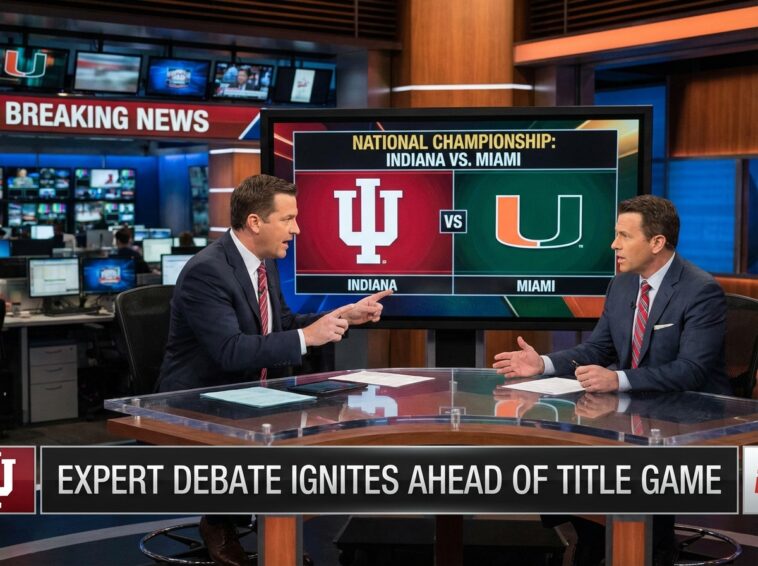
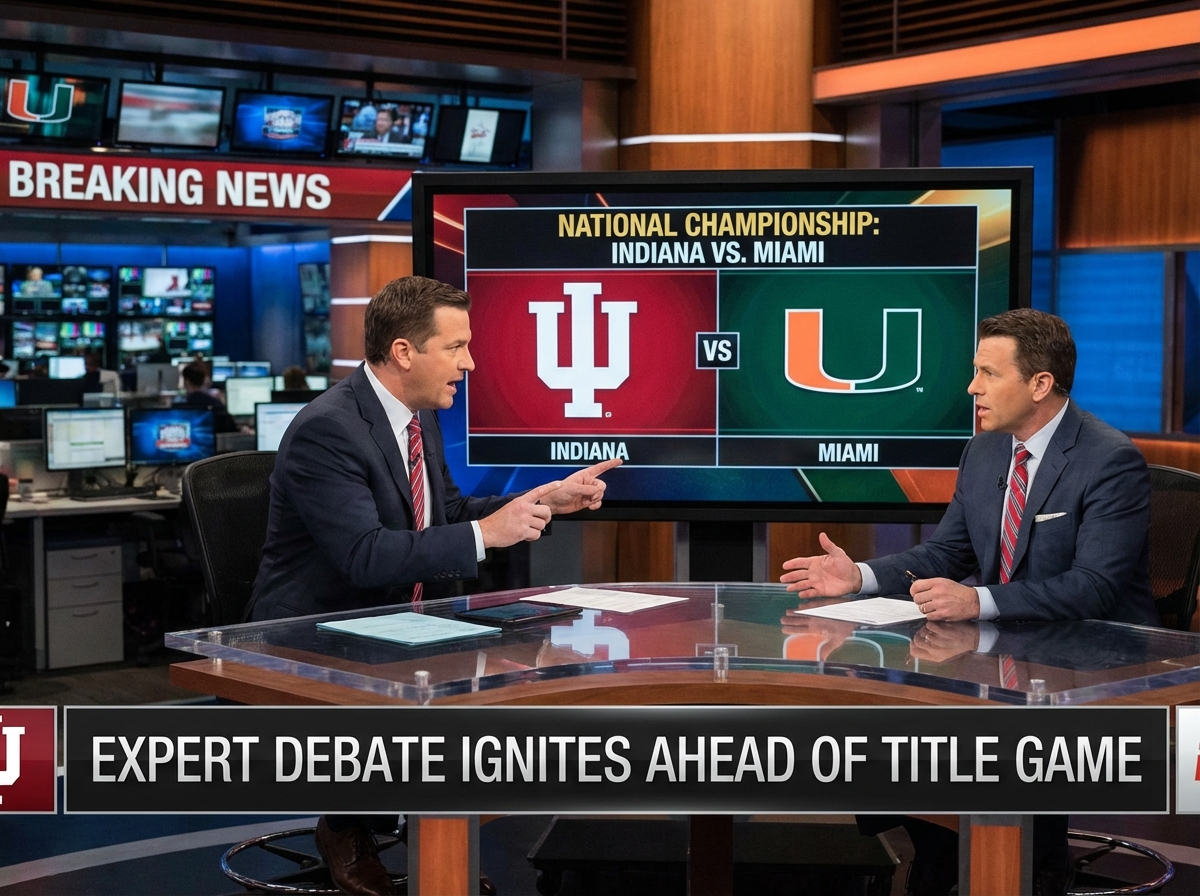
The upcoming college football championship game is generating intense debate among experts, fans, and those who watch the game solely for its unpredictable twists and turns. With the Indiana Hoosiers set to face off against the Miami Hurricanes, the matchup is expected to be a fascinating collision of contrasting narratives—one featuring a team that has defied expectations and another with a storied tradition that is determined to recapture its glory. This opinion editorial takes a closer look at the key players, coaching strategies, and the broader legal and economic issues that surround modern collegiate sports.
In recent seasons, college football has become a stage where traditional powerhouses no longer enjoy an exclusive claim on success. Instead, innovative recruiting practices, changes in transfer rules, and revenue-sharing agreements have recalibrated the competitive landscape. The question on everyone’s mind now is: will Indiana, an unheralded program making an unexpected surge, or Miami, a former giant yearning to return to its eminent past, clinch the national title?
Indiana’s Rise: A Candid Look at the Underdog Triumph
Indiana’s stunning transformation is a testament to strategic planning and a relentless dedication to improvement. Under the watchful eye of head coach Curt Cignetti, the Hoosiers have built a record of discipline and consistency that has taken the nation by surprise. Coming into the season as a team with a record number of losses, Indiana now stands undefeated. Their turnaround story encapsulates the idea that in college football, even a program long seen as a perennial underdog can find its way to the top when the pieces come together.
The Role of Leadership and Discipline
One cannot overstate the importance of coaching leadership in the rise of Indiana. Coach Cignetti’s approach is focused on avoiding those nerve-racking mistakes that often cost teams in high-pressure moments. Instead of succumbing to the intimidating pressures of the national spotlight, Indiana’s players have embraced a style that is grounded in strong fundamentals and the less glamorous but essential elements—such as avoiding penalties and staying composed during critical drives.
This disciplined mindset has allowed the Hoosiers to exploit Miami’s moments of inconsistency. Analysts point out that while Miami’s Hurricanes have many talented players, Indiana’s emphasis on a no-nonsense approach during games is a key advantage. The Hoosiers have shown they can maintain focus even when the final moments of a game require one to steer through tricky parts and subtle details that separate winners from losers in such critical encounters.
Key Figures Making a Difference
An outstanding performance by Indiana’s star quarterback, Fernando Mendoza, has been pivotal for the team. Mendoza’s ability to make quick decisions and keep his team’s offense fluid, even amidst the chaotic bits that occur in big games, has turned him into a central figure in the championship narrative. Alongside him, the duo of receivers—Elijah Sarratt and Omar Cooper Jr.—has emerged as a dynamic partnership capable of tipping the scales. Their knack for turning essential plays, particularly in the red zone, remains one of the key reasons why Indiana’s offenses have been so resilient this season.
Another person of note is Indiana’s center, Pat Coogan. Dubbed by some as the unsung hero, Coogan provides the critical support that allows Mendoza and his offensive colleagues to carve a path through Miami’s defensive pressure. By effectively neutralizing some of the intimidating front-line challenges posed by the Hurricanes, Coogan demonstrates that in a sport wracked with confusing bits and overwhelming pressure at times, every role is indispensable.
Miami’s Quest for Resurgence: Balancing Legacy with Change
In contrast, the Miami Hurricanes carry forward a legacy that is as rich in tradition as it is in recent struggles. Once a powerhouse representing the pinnacle of college football, Miami has seen its fortunes waver. However, there is a unique allure in watching an established program attempt to reclaim its former grace, especially under demanding circumstances.
Reviving a Storied Past Amid New Challenges
Miami’s history is interwoven with moments of profound triumph and dramatic setbacks. The Hurricanes have experienced the high of national titles and the low of seasons marked by mistakes that could be considered almost nerve-racking. With a record that includes multiple championships, the Hurricanes have long been known for their larger-than-life presence on the field. Now, fans are hoping that the tide may finally be turning in their favor after years filled with setbacks and challenges.
Much of Miami’s current strategy focuses on trying to recapture a past glory through a combination of talent and strategic innovation. For instance, star running back Mark Fletcher Jr. has been pivotal during the College Football Playoff. His ability to manage the clock and break through defenses offers Miami a critical option in managing the game’s pace and rhythm. When a team is balancing its legacy with fresh challenges, such performances are not merely contributions—they are lifelines.
Miami’s Offensive Line and Defensive Tenacity
Miami’s offensive line deserves a closer look as well. Touted for its size and skill, the unit has been instrumental in protecting the quarterback and setting the game plan. With players like Markel Bell and Francis Mauigoa making significant contributions, the Hurricanes’ ability to maintain control over the line of scrimmage is underpinned by a legacy of both grit and focused precision.
On the defensive end, the impact of players such as Rueben Bain Jr. cannot be underestimated. Bain has the uncanny ability to create extra moments for the offense by pressing the play, forcing turnovers, and racking up sacks. This is especially important in a game where Miami’s overall defensive strategy might be up against the highly disciplined approach of Indiana. By effectively timing his moves and reading the plays, Bain’s performances underscore the fine details—the hidden complexities—that often determine the outcome of championship matchups.
Legal and Economic Underpinnings of Modern College Football
Beyond the players and coaches, modern college football is also deeply influenced by legal and economic dimensions that shape every aspect of the sport. From title IX implications to NIL (Name, Image, and Likeness) regulations, the legal framework governing collegiate athletics plays a super important role in ensuring fair competition and addressing the tricky parts of player compensation.
Navigating NIL and Revenue Sharing: A New Playing Field
The introduction of NIL rights and revenue-sharing agreements has revolutionized college sports. These changes have enabled programs like Indiana—which once struggled to attract top-tier talent—to compete more equally with traditional powerhouses by providing new incentives. This shift has not been without its tangled issues. Nonetheless, program administrators are beginning to see tangible benefits as they engage more effectively with rule changes and transfer portal opportunities.
A simple breakdown of these reforms includes:
- NIL Agreements: Players now have the freedom to profit from their own names, images, and likenesses, which profoundly alters recruiting dynamics.
- Revenue Distribution: The reallocation of media and conference revenues has created an environment where even traditionally mid-level programs can enjoy financial stability.
- Transfer Portal Reforms: New regulations allow players to switch schools more seamlessly, leveling the playing field and ensuring that talent flows to programs that provide the best match for their skills.
These legal and economic changes are both pivotal and full of problems, as they introduce a new era of possibilities while also raising questions about competitive balance and institutional integrity. As programs adapt, the playing field is becoming more even, with teams like Indiana seizing opportunities to build winning rosters that once seemed out of reach.
The Impact on Institutional Policies and Recruitment
Universities now face the off-putting challenge of reworking long-standing institutional policies to remain competitive under the new economic reality. In many cases, this involves adopting innovative recruitment strategies that focus not only on athletic performance but also on academic and personal development. Administrators must figure a path through shifting regulations and fine shades of compliance that govern higher education institutions.
This reevaluation of policies is supported by several legal precedents and ongoing litigation in the sports arena. Legal opponents argue that some of these practices may blur the line between amateurism and professional sports, while advocates claim that these reforms provide a more equitable system for student-athletes. As this debate continues, it is clear that the changing legal landscape has made college football a living laboratory for evolving policies and revenue distribution models.
Coaching Strategies and the Weight of Experience
The role of coaching in this championship battle underlines much of the enthusiasm and nervous energy surrounding the game. Both teams feature coaches who, while facing their own set of challenges, approach the game with different philosophies and tactics that underscore the sport’s inherent contrasts.
Indiana’s Calculated Precision Versus Miami’s Dynamic Approach
Indiana’s coach, Curt Cignetti, has instilled in his players a philosophy of precise and strategic play. By emphasizing disciplined execution and an avoidance of penalties in crucial moments, Cignetti has built a program that remains resilient even under intense pressure. His strategy involves managing the game’s pace to limit the opportunities Miami’s defense might have to exploit any confusing bits or sudden bursts of unpredictability. This match of old-school discipline against new dynamics positions Indiana as one of the most interesting study cases of modern football strategy.
Conversely, Miami’s head coach, Mario Cristobal, brings a different set of tools to the table. With a background as an offensive line coach, Cristobal understands the subtle parts of the game where physicality meets strategic ingenuity. His emphasis on leveraging the offensive line’s strength is key to ensuring that the quarterback has room to make decisive plays. This approach, while dynamic, also involves managing the inherent risks associated with a high-tempo aggressive style. Both strategies are equally compelling, though each carries its own potential pitfalls and rewards.
Charting the Course: Key Tactical Adjustments and Impactful Plays
When it comes to tactical adjustments, experts agree that the ability to adapt mid-game might be the tipping point in this championship. Coaches who can find their way through the tangled issues of in-game decisions and stay composed under pressure will likely dictate the final narrative. Factors such as quarterback performance, effective use of running plays, and timely defensive adjustments all come under scrutiny as managers on the sidelines make split-second decisions that can change the game’s outcome.
A comparative table of tactical strengths is presented below:
| Aspect | Indiana Hoosiers | Miami Hurricanes |
|---|---|---|
| Coaching Philosophy | Discipline-driven and error-averse | Dynamic and aggressive with a focus on explosive plays |
| Key Offensive Strengths | Balanced attack with strong quarterback leadership; strategic use of receivers | Powerful running game supported by a formidable offensive line |
| Defensive Tactics | Emphasis on discipline and avoiding penalties; focusing on stopping the run | Relentless pressure from the front line and key playmakers like Rueben Bain Jr. |
| Game Management | Avoids high-risk plays; maintains composure under pressure | Takes calculated risks; utilizes aggressive blitzes |
This comparative analysis shows that while both teams have their own strengths, the fine shades between tactical approaches and game management could define the overall success of one program over the other in this high-stakes matchup.
The Broader Impact: College Football’s Future in a Changing Landscape
With these two teams on the cusp of clinching a national title, the implications stretch far beyond the gridiron. This championship game has the potential to serve as a watershed moment, influencing future recruiting, legal reforms, and even the public perception of college sports. The debate is not just about which team has the better roster or superior coaching—it is also about whether the current framework of varsity competition is accessible and fair for every program, no matter how small or historically underachieving.
Influence on Mid-Major Universities and Recruitment Tactics
Historically, college football success has been concentrated in programs with long traditions of excellence, primarily because these programs were able to attract top-tier talent year after year. However, the rapid evolution of recruitment practices—enhanced by social media, improved scouting technologies, and extensive legal reforms—has allowed programs like Indiana to make unexpected breakthroughs. This democratization of talent recruitment is encouraging for other mid-major universities that have long struggled against the perceived powers of the sport.
For university administrators and recruiters, the challenge now is to work through the overwhelming regulatory aspects and the nerve-racking media scrutiny while effectively connecting with student-athletes. This involves:
- Building more inclusive and appealing scholarship programs
- Utilizing digital platforms to showcase academic, athletic, and community opportunities
- Reconfiguring support systems to ensure new athletes can adjust quickly to collegiate-level competitions and legal expectations
Each of these points represents an area loaded with issues, but they are essential if smaller programs hope to capitalize on the new legal and economic realities in college sports.
Legal Ramifications and the Role of Policy Changes
Recent years have brought about policy changes that not only affect the gameplay but also the legal architecture of college sports. Laws related to athlete compensation, revenue sharing, and even antitrust issues have all played a role in shaping how these events are managed and experienced by everyone involved—from the players to university administrators and even to the viewers at home.
For example, the new rules governing NIL rights are super important as they redefine how the talents of individual athletes are valued and compensated. As these legal frameworks continue to evolve, stakeholders from all quarters must remain vigilant and adaptable. The current championship battle between Indiana and Miami, regardless of the outcome, serves as a live demonstration of how institutions can benefit from measured, orderly progress in legal reforms while still maintaining competitive integrity in the sport.
Looking Ahead: The Intersection of Tradition and Innovation
As college football continues to evolve, the intersection of tradition and innovative change will remain a hot topic among sports analysts and legal experts alike. The upcoming championship not only pits two teams with contrasting legacies against each other—it also symbolizes a turning point in how college sports might operate in the coming years.
Lessons and Takeaways for Future Championships
This game offers several insights into the small distinctions that can influence the outcome of high-stakes competitions. Observers will note that:
- The importance of disciplined play and leadership is paramount in a game where every minor error counts.
- Effective coaching can neutralize even the most aggressive opposing defenses by making thoughtful adjustments and keeping the team focused.
- The legal and economic reforms of recent years have not only changed how teams are built but also how fans, recruiters, and administrators perceive the sport.
These lessons will serve as a roadmap for programs nationwide as they aim to balance the legacy of their traditions with the imperative to innovate and adapt. With college football now more accessible than ever to teams that once seemed perennially outmatched, the ripple effect of success is likely to be felt for years to come.
Embracing Change Amid Confusing Bits of a Shifting Landscape
Both Indiana and Miami exemplify the challenges and the promise of modern college football. Indiana’s unexpected journey from a record lossmaker to an undefeated contender is a story filled with hope, resilience, and a commitment to disciplined play. Miami, with its rich history and previous glories, reminds us that even established giants can face their own set of intimidating challenges when up against young, determined challengers.
At the heart of this debate is the idea that change is both necessary and inevitable. The small distinctions between the two programs’ approaches highlight that success in the current environment depends on managing every aspect of the game—from the tactical decisions made on the sidelines to the way in which legal reforms are embraced off the field.
Key Takeaways and Final Thoughts
Ultimately, the championship game between Indiana and Miami is a microcosm of the broader changes occurring in college football. It is a contest where the discipline of a team like Indiana meets the legacy and dynamic play of a program like Miami. Both teams have learned to work through the overwhelming challenges presented by a rapidly changing competitive and legal landscape.
Some of the critical takeaways include:
- Coaching Influence: Leadership on the sidelines is critical in managing the tangled issues of high-pressure situations and keeping teams focused on execution.
- Player Impact: Talented quarterbacks and key playmakers can transform a game, yet their success often hinges on the collective discipline of the team.
- Legal and Economic Shifts: Policy changes surrounding NIL rights and revenue sharing have opened the door for mid-major programs to compete on a more even footing with historical powerhouses.
- Recruitment Evolution: The new recruiting landscape allows programs once burdened with record losses to quickly attract top talent if they manage the fine points of modern eligibility rules.
By taking note of these lessons, stakeholders across the spectrum—from coaches and players to administrators and legal experts—can better appreciate the subtle parts that are now playing a super important role in shaping the future of college football.
The Ripple Effect: Transforming the Future of College Sports
Though the final whistle of Monday night’s championship will mark just one chapter in the annals of college football, its impact could resonate far beyond the scoreboard. Should Indiana secure the title, it will not only underscore the importance of commitment and refined coaching but also serve as a flagship moment for programs that have long been underestimated. Conversely, a Miami victory would signal that the allure of heritage and experience continues to command respect, even in an era where every team has a chance to rewrite the narrative of success.
This championship, therefore, is emblematic of the sport’s evolving identity. It serves as a reminder that while tradition holds a revered place in college football’s history, innovation and change are continually reshaping how the game is played, managed, and even perceived in the broader context of legal and economic frameworks.
Looking to the Horizon: A New Era in Collegiate Athletics
As college football charts a course through a period loaded with issues and laden with exciting challenges, it is clear that both tradition and innovation will continue to coexist. The success of teams like Indiana demonstrates that even institutions previously viewed as perennial underdogs can become competitive forces if they are willing to embrace change and steer through the tricky parts of evolving legal and economic standards.
At the same time, programs like Miami underscore the enduring importance of legacy, serving as constant reminders of the sport’s storied past and the inherent draw that history holds for fans, recruits, and stakeholders alike. The interplay between these two dynamics is creating a sporting environment that is as compelling off the field as it is on it.
While the immediate focus is on the championship game and the impending showdown between disciplined strategy and explosive legacy, the long-term implications are clear: college football will never be the same. The willingness of teams to adapt to new legal realities, refine their play through disciplined coaching, and embrace innovative recruiting tactics promises a future where the game continuously evolves to meet the challenges and opportunities of each passing season.
Conclusion: An Uncertain Outcome in a Changing World
In conclusion, whether Indiana’s methodical rise continues or Miami’s quest for a return to former glory prevails, the outcome of this championship game is much more than a scoreline. It is a symbol of the sport’s transformation—a narrative where the disciplined execution of tomorrow’s strategies meets the rich legacy of yesterday’s champions.
There is no doubt that both teams have compelling stories to tell. Indiana’s Cinderella run represents hope and determination in a world where every program is given a fair shot at glory, while Miami’s storied past offers both a cautionary tale and a beacon of possibility for revitalizing historic traditions. For observers, this game is an invitation to dig into the fine points of modern collegiate athletics and to appreciate the little details that often decide the fate of high-stakes competitions.
As fans and experts alike debate the various angles—from tactical adjustments and player performances to legal reforms and economic transformations—it becomes clear that college football is in the midst of a major evolution. When the final whistle blows, the true winners will be those who have managed to combine the best of both worlds: the enduring spirit of past glories and the relentless drive to innovate and succeed in a competitive, ever-changing landscape.
With both Indiana and Miami set to etch their stories into the annals of college football history, the championship game is a must-watch event. It forces us not only to question the status quo but also to celebrate the progress that has been made. In many ways, this game is a celebration of how far the sport has come and a preview of the exciting roads ahead—a future where the underdog might very well rise, and where tradition and innovation walk hand in hand in a brave new era of collegiate athletics.
Ultimately, the discourse surrounding this matchup reflects the broader conversations taking place about fairness, opportunity, and progress within college sports. It is a reminder that every victory on the field has ramifications off it—reshaping policies, influencing recruitment practices, and setting the stage for the next generation of athletic competition. As we watch the teams take the field, we are invited to not only cheer for our favorites but also to appreciate the intricate interplay of factors that define the modern collegiate sports experience.
The championship game is shaping up to be one of the most talked-about events of the season—not just for the electrifying on-field action but also for the conversations it will spark about the future of college football. Whether one sides with the meticulously disciplined approach of Indiana or the dynamic, historically rich narrative of Miami, it is undeniable that this game marks a significant moment in the sport’s evolution.
For the fans, the administrators, and the legal minds watching, this championship is an embodiment of hope, determination, and a willingness to embrace change. It is a call to recognize that while the playing field is loaded with issues and every decision is subject to scrutiny, success often comes to those willing to adapt and innovate. With an eye on both the immediate and the long-term implications of the game’s outcome, it is clear that college football has entered a new era—one where every team, regardless of its historical baggage or current standings, has a chance to shine.
As the countdown to the championship game continues, one thing remains certain: the legacy of college football is being rewritten. Whether through Indiana’s consistent, disciplined play or Miami’s passionate display of renewed vigor, the sport is on the verge of a transformation that promises to be as unpredictable as it is exciting. In a game where every move is scrutinized for its subtle details and every play could tip the balance between victory and defeat, stakeholders across the board are poised to witness a new chapter in the grand narrative of college athletics.
In the end, this isn’t just about a game. It’s about progress, about overcoming the intimidating barriers that once held teams back, and about creating an environment where talent, hard work, and smart decision-making can flourish. College football is evolving—and with each championship that challenges the status quo, the future looks increasingly bright for those willing to chart their own course through the twists and turns of this dynamic sport.
As we look forward to what promises to be a memorable night of football, let us celebrate not only the anticipated spectacular plays and strategic masterstrokes but also the underlying story of change. The story of a sport that refuses to remain stagnant, of teams that continuously prove that discipline and innovation go hand in hand, and of an ongoing revolution that is redefining what it means to compete at the highest level. This championship game is much more than a contest between Indiana and Miami—it is a reflection of a bold new reality in college sports, where the old boundaries are being redrawn and every team has the potential to make history.
Originally Post From https://www.nbcnews.com/sports/college-football/will-indiana-miami-win-national-championship-experts-debate-rcna254274
Read more about this topic at
When History’s Greatest Underdogs Changed the World
Rewriting “Untold History” Episodes 3 and 4: What …