Federal Funding Cuts and the Future of Anti-Drug Campaigns
The recent decision by the Trump administration to cut federal funding for McGruff the Crime Dog’s fentanyl prevention campaign has sparked a heated debate on the role of public education in combating drug abuse. This move, which ends support for a program that many believe has been critical in warning young people about dangerous counterfeit pills and fentanyl-laced products, raises many questions about the long-term effects on community safety and youth outreach. In this opinion editorial, we take a closer look at the policy shift, explore its implications for future anti-drug initiatives, and examine both the historical context and the challenges of sustaining effective public awareness campaigns.
For decades, McGruff the Crime Dog was a beloved figure in American public service announcements, providing straightforward messages about personal safety and the risks associated with dangerous drugs. However, times have changed, and so too have the tricky parts of public policy and awareness. With the current funding cuts, critics worry that the momentum gained in modernizing and reimagining public health messages may suffer an untimely setback.
Advocates for the campaign argue that even modest investments, such as the nearly $2 million in federal support that has now been eliminated, carry super important benefits. They insist that these funds play a role in tackling the tangled issues surrounding the fentanyl crisis. With drug overdoses remaining a serious threat, particularly among young people, the cessation of the “Go For Real” campaign could ultimately cost lives, especially in communities already burdened with high rates of substance misuse.
Changing Faces: From “Take A Bite Out Of Crime” to “Think Again”
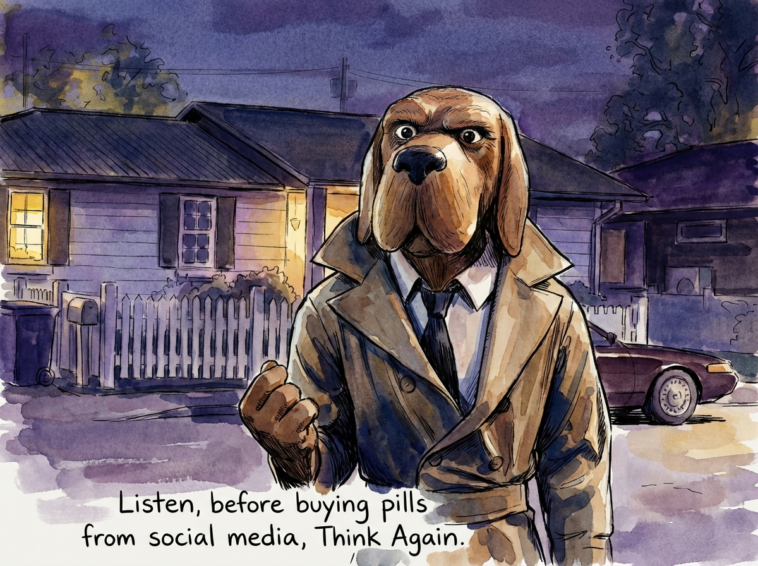
McGruff’s earlier campaigns, characterized by the catchy refrain “Take A Bite Out Of Crime,” reflected a time when anti-drug messaging was both gritty and cheery. Over the years, however, the messaging has evolved to address new threats such as counterfeit medications and fentanyl-laced pills. In the revamped “Go For Real” campaign, McGruff now warns young people on social media to “Think Again” before purchasing drugs online. This change not only reflects the shifting media landscape but also the need to address the tricky bits of modern substance abuse prevention in an era where digital platforms play a dominant role.
The re tooled campaign is designed to help kids and young adults figure a path through a myriad of challenges that are as much about misinformation and online scams as they are about traditional drug abuse. At a time when many young people are bombarded with social media content, ensuring that public health messages remain both appealing and informative is a task loaded with issues that policymakers need to address head-on.
Criticism and Concerns: The Impact on Youth Education
Critics of the funding cut argue that reducing government support for public education drug programs amid a growing fentanyl crisis sends a conflicting message. At the same time that the administration highlights the threat of fentanyl smuggling at the border, the cessation of programs like “Go For Real” risks leaving young people without the guidance they need during these nerve-racking times.
While federal data indicate a drop in drug-related deaths among youth—from over 31,000 fatalities in 2021 to 16,690 in the subsequent year—it is precisely these complicated pieces of progress that might be undermined if community education programs are not maintained or enhanced. The concern is that these improvements are fragile, and any setback in public education campaigns could easily reverse the gains made over recent years.
Many experts have already raised the alarm about the declining emphasis on anti-drug efforts, particularly those that extend beyond the borders of traditional campaigns. In an era where even short messages on social media can shape the perceptions of a generation, taking away proven methods of education could potentially create a vacuum that leaves young people vulnerable to misinformation and the severe risks associated with drug misuse.
Historical Lessons and Shifting Strategies
Historically, public service announcements like those featuring McGruff the Crime Dog have played a key role in educating children about the perils of drug abuse. During the 1980s and 1990s, initiatives such as these benefited from clear, simple messages that framed drug misuse as dangerous and off-limits. But critics now note that the world has changed, and what once worked may no longer be sufficient to address today’s multifaceted challenges.
The current debate raises several questions about the relevance of old messaging techniques in tackling new problems:
- Can a familiar face like McGruff still resonate with kids who are now exposed to a highly digital environment?
- Does the emphasis on social media risk diluting the message, or can it be adapted to provide more personalized, impactful warnings?
- Will the removal of government funding shift responsibility to private donors, and if so, how will this impact consistency in public health messaging?
These are not merely academic queries; they touch on the wired intersection of public safety, policy, and communication strategy. While some experts believe that the evolution of campaigns to include social media outreach is a necessary step in keeping up with the times, others worry that these changes might also miss the mark on addressing the little details and subtle parts of community-specific challenges.
Long-Lasting Effects of Policy Decisions
The decision to curtail funding for the “Go For Real” initiative is emblematic of a broader trend in federal policy that sees a shrinking role for government in community programs. The Department of Government Efficiency, or DOGE, has pushed aggressively for cuts in federal spending, with the rationale being to streamline services and reduce overhead. However, the potential collateral damage from such cuts is full of problems that extend far beyond mere budgetary constraints.
In many ways, the funding cut is more than a simple reallocation of resources—it is a symbolic turning point. It suggests a shift in priorities that could signal the beginning of the end for a generation of public service announcements aimed at protecting vulnerable populations from drug-related harm. Critics argue that if such campaigns are left unfunded, communities may struggle to find alternative sources of support, leaving parents and educators in a position where figuring out how to get around these twists and turns becomes a real challenge.
Moreover, there is a deeply held view among public health advocates that consistent, government-backed educational efforts are key to saving lives. When funding is retracted, it is not only the immediate messaging that suffers; there is also the risk of losing valuable community trust built up over many years of public outreach.
Analyzing the Data: Successes and Shortcomings
Recent federal data have provided a glimpse into the successes achieved through various anti-drug campaigns. For instance, the Centers for Disease Control and Prevention (CDC) and other federal entities have tracked notable drops in drug overdose deaths among people under age 35. Although these figures are undoubtedly encouraging, they also bring with them a veil of caution. Experts point out that while numbers speak to overall improvements, the individual experiences and personal tragedies hidden behind the statistics paint a more nuanced picture.
It is essential to consider the following multifaceted aspects when evaluating the impact of these programs:
| Aspect | Positive Impact | Potential Risks of Funding Cuts |
|---|---|---|
| Youth Education | Clear, relatable messages tailored for a young audience | Impediments to reaching increasingly digital-savvy youth |
| Community Outreach | Partnerships with local law enforcement and schools | Loss of local engagement and grassroots support |
| Public Awareness | Effective use of social media and traditional media | Potential dilution and fragmentation of messaging |
| Government Credibility | Perceived commitment to public safety and well-being | Mixed signals regarding the importance of follow-through on vital initiatives |
Each row in the table above illustrates the fine points of how public education campaigns have traditionally functioned versus the risks they face in current policy debates. While the numbers demonstrate progress, losing campaigns like “Go For Real” may introduce new, nerve-racking challenges in maintaining those gains.
Youth Substance Abuse Prevention in a Digital World
The transition from analog public service announcements to digital communication formats is one of the most significant shifts in recent history. Today’s youth are bombarded with information from various online sources, making it both a crazy opportunity and a tangled challenge for campaigns like McGruff’s. Educators and public health experts now need to figure a path through the digital maze to ensure that key messages about drug safety are not just heard but understood.
Some of the pressing issues in this digital transition include:
- The overwhelming amount of available information online, which can make it hard for young audiences to distinguish between reliable and unreliable sources.
- Competing messaging from both educational campaigns and opportunistic marketing by entities that might not have the public’s best interests at heart.
- The difficulty in adapting traditional, off-putting styles of drug education to formats that resonate in the fast-paced world of social media.
- The challenge of maintaining a consistent and engaging narrative when media consumption habits change rapidly.
In response, some strategists argue that modern campaigns must incorporate innovative approaches, such as interactive social media content, influencer partnerships, and relatable storytelling that reflects lived experiences. These strategies, however, come with their own set of confusing bits. Balancing educational integrity with the appeal necessary for engagement in a highly competitive digital space requires careful planning and resilient funding streams—a resource that might become even scarcer under current budget directives.
Challenges in Public Policy: A Matter of Priorities
The administration’s decision to slash funding for anti-fentanyl education programs appears to be part of a broader governmental push to trim spending and streamline operations. Proponents of such fiscal measures argue that recasting priorities is necessary to deal with the many tangled issues of governance in an era where every dollar must be accounted for. Yet, critics argue that these cuts could lead to a gap in essential outreach, particularly in communities where young people are most at risk.
Key concerns include:
- Inconsistent Messaging: When funding is cut, the continuity of life-saving messages is interrupted, potentially leaving young people without reliable guidance.
- Community Impact: Areas that have come to rely on local law enforcement events and school programs supporting McGruff’s initiatives may find themselves without an important resource in the fight against dangerous substances.
- Policy Short-Sightedness: By emphasizing border security and cutting domestic community programs, policymakers risk overlooking the tangled local challenges that continue to contribute to the fentanyl crisis.
The shift in focus toward border security, while not unimportant, might be seen as ignoring the equally pressing need for domestic public health intervention. The reductions in federal support have left many wondering whether the administration is inadvertently deprioritizing efforts that address the subtle details of the drug crisis affecting countless communities across the country.
The Role of Private Funding and Community Involvement
With federal funding on the decline, private donors and community organizations may be expected to fill the gap left by government programs. While this shift has the potential to foster creativity and locally tailored initiatives, it also raises some risky questions about consistency, accountability, and reach. Relying on private donations can lead to a patchwork of programs, which might be effective in some areas while leaving other communities without any help at all.
This situation may result in several challenges:
- Uneven Distribution: Community-based initiatives could lead to highly variable levels of engagement, with some areas receiving robust support while others experience nearly complete drops in public education outreach.
- Short-Term Funding: Private donations often come in bursts and may not provide the sustained, long-term support necessary to establish lasting change.
- Variability in Message Quality: Without rigorous oversight and standardized messaging, diverse programs might deliver conflicting information or dilute the overall effectiveness of anti-drug campaigns.
In these nerve-racking circumstances, it is essential for all stakeholders—government representatives, private donors, community organizations, and law enforcement—to work together in crafting a coherent strategy. Such collaboration will ensure that public safety remains a priority even as the funding landscape becomes increasingly fragmented.
Policy Versus Reality: Addressing the Underlying Issues
A significant undercurrent in the debate over federal funding is the tension between policy rhetoric and on-the-ground realities. On one hand, policymakers insist that a focus on border security and similar initiatives is a super important way to combat the international elements of the fentanyl crisis. On the other hand, local communities and public health experts warn that neglecting domestic education efforts can have immediate, tangible consequences for those at risk of drug addiction and overdose.
There is no simple answer to this delicate balance. How do we effectively balance spending on international security measures with the nerve-wracking everyday challenges that teenagers face? The answer may lie in adopting a more holistic approach that accounts for both statistical data and personal stories. The data on declining drug overdose fatalities is encouraging, but it may hide many of the personal tragedies occurring in neighborhoods across the nation.
For instance, consider the case of a small community that once relied on school programs and police outreach events featuring McGruff. For these residents, the animated crime dog was more than just a cartoon character; he represented an accessible, relatable figure meant to alert them to small distinctions in risk behaviors and dangerous drug habits. Without such programs, families may find themselves lost in a maze of competing, often conflicting messages about what is safe and what is not.
Looking Ahead: Future Policy Directions and Recommendations
Looking forward, it is clear that any realistic approach to tackling the fentanyl crisis must include careful attention to public education, comprehensive community engagement, and innovative communication strategies that resonate with today’s youth. While the current funding cuts are a setback, they also provide an opportunity for policymakers and community leaders to reimagine these campaigns for a new era.
Here are several recommendations for future policy directions:
- Mixed Funding Models: Encourage a combination of federal, state, and private funding to ensure that vital public education programs receive consistent support.
- Enhanced Digital Outreach: Develop digital platforms and social media strategies that are designed to overcome the overwhelming digital noise and deliver clear, relatable messages.
- Community-Based Partnerships: Strengthen relationships between community organizations, schools, and law enforcement agencies to ensure a local presence that can adapt to the sensitive, unique issues of each area.
- Ongoing Evaluation: Institute regular, data-driven evaluations of program effectiveness to identify what works and what may need to be retooled amid evolving challenges.
- Cultural Adaptation: Recognize that different communities may require tailored messaging that reflects their individual, often complicated pieces of cultural and social realities.
Each of these strategies is geared toward ensuring that public health campaigns remain adaptable and effective even when faced with budgetary and political pressures. The goal is to find your way through a maze of funding challenges while still maintaining the core mission of preventing drug abuse and protecting our youth.
Expert Voices and Personal Stories: Adding Depth to the Debate
No discussion of federal funding and drug prevention programs would be complete without considering the voices of those directly involved in the work. Parents who have lost children to fentanyl overdose, educators who witness the nerve-wracking challenges of modern drug education, and law enforcement officers who continue to grapple with the tangled issues of drug trafficking all bring important perspectives to this debate.
For instance, Paul DelPonte, Executive Director of the National Crime Prevention Council, recently emphasized that the work being done by programs like “Go For Real” has a life-and-death impact. He argues that even a modest funding cut can have an outsize effect on a program’s ability to engage with youth and save lives. DelPonte’s comments serve as a reminder that behind the statistics are real people and real communities facing overwhelming challenges. Their experiences remind policy makers that the fine points of public safety require constant, evolving support.
Public safety is not just a matter for federal and local governments—it’s a community issue. The following table highlights some of the personal and experiential factors that add depth to the policy debate:
| Group | Concerns | Suggested Actions |
|---|---|---|
| Parents | Worry about losing reliable, government-backed messaging in schools and communities. | Advocacy for mixed funding models and community partnerships. |
| Educators | Struggle with translating traditional campaigns into engaging digital content. | Investment in innovative digital outreach and curriculum support. |
| Law Enforcement | Dependence on collaborative, proven programs to help educate youth. | Continued collaboration with community organizations and local schools. |
| Public Health Advocates | Concern over the full range of long-term impacts from intermittent funding. | Regular evaluations and adaptive strategies based on evolving challenges. |
This table underlines the practical considerations and small distinctions that must be brought into the policy discussion. It is important that decision makers not only understand the statistical trends but also the subtle details of how communities experience the impacts of drug abuse—and how public education serves as a crucial countermeasure.
Public Trust, Community Safety, and the Responsibility of Government
The debate over funding cuts is ultimately about trust. It is about whether government institutions will continue to prioritize life-saving, community-centered programs amid the competing demands of international policy, national security, and economic management. Many citizens view government-backed initiatives like McGruff’s campaigns as a super important guarantee of support when the stakes are as high as the health and future of our youth.
This debate is full of problems that stem from the many twists and turns of how public funds are allocated. While Congress, state governments, and local agencies might all have differing views on priorities, there is a clear need for an approach that is both practical and empathetic. The following bullet list summarizes key responsibilities that the government must recognize:
- Maintain clear and consistent public health messaging that reaches all communities.
- Invest in education programs that address the overwhelming transitions from traditional to digital formats.
- Ensure that funding decisions are made with comprehensive risk assessments that consider both short-term and long-term community impacts.
- Create accountability structures so that any shifts in funding do not undermine established relationships between communities and public service organizations.
These steps are not just an administrative checklist; they are reflections of a responsibility that government holds to protect its citizens. When programs like “Go For Real” are funded, it sends a clear message that every level of government cares about ensuring that young people are informed well enough to steer through the confusing bits of counterfeit medications and fentanyl-laced products.
Finding a Path Forward Amid Budget Cuts
Even as the Trump administration’s decision has drawn sharp criticism from many quarters, it also serves as a call to action for communities, educators, and public health advocates. They must now figure a path through a challenging funding landscape—a pathway that requires proactive collaboration, innovative digital outreach, and a renewed commitment to public trust.
In order to get around the obstacles presented by limited funding and shifting political priorities, several concrete steps may be taken:
- Grassroots Campaigns: Local communities and school districts can enhance their efforts by launching grassroots initiatives that adapt federal messaging to local realities.
- Public-Private Partnerships: Collaboration with business and philanthropic sectors can help secure more sustainable, long-term resources for drug education programs.
- Digital Innovation Hubs: Establish dedicated teams to explore new strategies in digital media outreach that effectively capture the attention of younger audiences amid the busy online landscape.
- Feedback Loops: Implement regular community feedback sessions to assess the impact of these educational campaigns and adjust the messaging to better address local, boy-to-boy or parent-to-parent concerns.
By taking these measures, the broader community can counterbalance the gap created by federal funding cuts. Stakeholders must remain engaged and committed to ensuring that public health education is not left behind in the wake of broader fiscal policies.
Reflections on the Role of Legacy Programs in Modern Times
The legacy of McGruff the Crime Dog is deeply embedded in the memories of those who grew up with his messages. His transformation from an icon of the past to a modern digital advocate symbolizes both the promise and the pitfalls of adapting legacy campaigns to today’s world. While many remember the days of straightforward “Users are Losers” singalongs in community parks, the modern context requires more nuanced approaches to engage an audience that is constantly distracted by the digital realm.
Critics argue that the government’s decision to pull funding is a misstep in a time when public education is needed more than ever. They highlight the obvious tension between fiscal austerity measures and the continuing need to address both the visible and nuanced dangers of drug misuse. Despite advancements in data and technology, public trust in government-led initiatives remains intimately tied to the visible commitment to community safety and well-being.
There is an opportunity here for future administrations to look beyond simple budget cuts and instead invest in programs that can adapt and evolve. Incorporating the lived experiences of families affected by drug abuse and using modern technology to reinforce age-old lessons can create a more resilient, community-centered approach to drug prevention.
Conclusion: Seeking Balance in a Changing Landscape
Federal funding cuts to McGruff the Crime Dog’s fentanyl campaign serve as a sharp reminder of the ongoing debate between fiscal austerity and the essential public service that drug education campaigns provide. As this opinion editorial has highlighted, the decision is emblematic of broader, nerve-racking issues in modern governance: how to balance national security, economic prudence, and the on-the-ground needs for community safety and effective public health messaging.
While the statistics show a decline in drug overdose deaths among young people—a promising sign—there is a real risk that bending the curve of success could lead to a future where communities feel abandoned in the battle against drug abuse. The fine points of community engagement, public trust, and effective messaging are too important to be overlooked. The disappearance of federal funding may create an environment loaded with issues that could ultimately reverse hard-won gains.
It now falls to all stakeholders—government officials, educators, law enforcement, private donors, and community leaders—to work together in ensuring that public health education remains an essential, unyielding priority. By embracing innovative digital strategies, fostering robust public-private partnerships, and consistently supporting grassroots efforts, communities can continue to protect their youth and uphold the legacy of McGruff the Crime Dog in the digital age.
This is not a time for complacency. As we look toward the future, it is important for us to recognize that the twists and turns of modern public safety require unwavering commitment and adaptable strategies. Only through collective action and a renewed focus on community education can we hope to take a meaningful bite out of the problems that threaten the safety and well-being of our youth. Now is the time for action—a time to make sure that every dollar, every message, and every initiative is aimed at saving lives and fostering a safer community for generations to come.
In reflecting on this critical juncture, it becomes clear that decisions made today have ripple effects that extend far beyond budgetary spreadsheets and political speeches. The reality is a reminder that the tiny details in how public messages are delivered can be the difference between life and death. If we are to honor the legacy of programs like “Go For Real” and the enduring symbol of McGruff the Crime Dog, we must work tirelessly to transform today’s challenges into tomorrow’s successes. Only then can we truly claim to have steered through the confusing bits of policy, public safety, and community well-being.
Ultimately, the issue is more than just a funding debate. It is about prioritizing human lives over political rhetoric and ensuring that, even in times of change, the safety of our youth is never compromised. The current funding cuts may seem like a setback, but they also offer an opportunity to innovate and adapt. With creativity, collaboration, and a recommitment to community education, we can overcome the modest, yet nerve-racking challenges posed by these fiscal changes and continue to make progress in the fight against drug abuse.
As we close this discussion, one thing is clear: public education, when backed by consistent support and innovative outreach, has the power to transform lives. The road ahead may be full of tangled issues and intimidating challenges, but with resolute determination and a cooperative spirit, we can ensure that young people receive the information and support they need. In the end, the real measure of success will not be found in statistical data alone, but in the everyday stories of families, educators, and communities that have been helped by these remarkable public service efforts.
The current policy shift is a call for all of us to get into the conversation, share our experiences, and work collectively toward solutions that safeguard our youth in an ever-changing world. Only through this collective, community-minded approach can we truly overcome the hidden complexities and subtle differences that characterize today’s public safety landscape.
In closing, let us remember that public safety is not a commodity to be trimmed at the expense of our future, but a must-have asset that requires ongoing, dedicated investment. Let our response to these funding cuts be marked by resilience, innovation, and an unwavering commitment to ensuring that every child and teenager can navigate the world with the vital knowledge needed to stay safe in the face of real and evolving dangers.
Originally Post From https://www.kjzz.org/politics/2025-08-08/trump-administration-cuts-mcgruff-the-crime-dogs-fentanyl-campaign
Read more about this topic at
Trump administration cuts McGruff the Crime Dog’s fentanyl …
Trump administration cuts McGruff the Crime Dog’s fentanyl …